Neighbors With Tools, Stories With Second Chances

Today we explore neighborhood repair cafes and the heartfelt community stories that extend furniture lifespans. From wobbly chairs reborn to heirloom tables restored, these gatherings turn fixes into friendships, reduce waste, and help skills travel across generations. Share your own repair victory below and inspire another neighbor today.

Why Fixing Together Feels Better Than Buying New

Mending a chair beside a neighbor changes the story of stuff. Money stays in pockets, materials avoid landfill, and confidence grows with every clamp tightened. Laughter, coffee, and small triumphs replace hurried shopping. Tell us about the first item you saved and what surprised you most during that shared repair moment.

Setting Up a Welcoming Repair Table

Great sessions begin with a comfortable, clearly organized space. Good light, labeled parts bins, safe cord management, and a shared kettle set the tone. A friendly sign-in sheet and a library cart of manuals help newcomers relax. What details made your local gathering feel warm, confident, and easy to join on a busy Saturday?

Furniture Fixes You Can Learn in One Afternoon

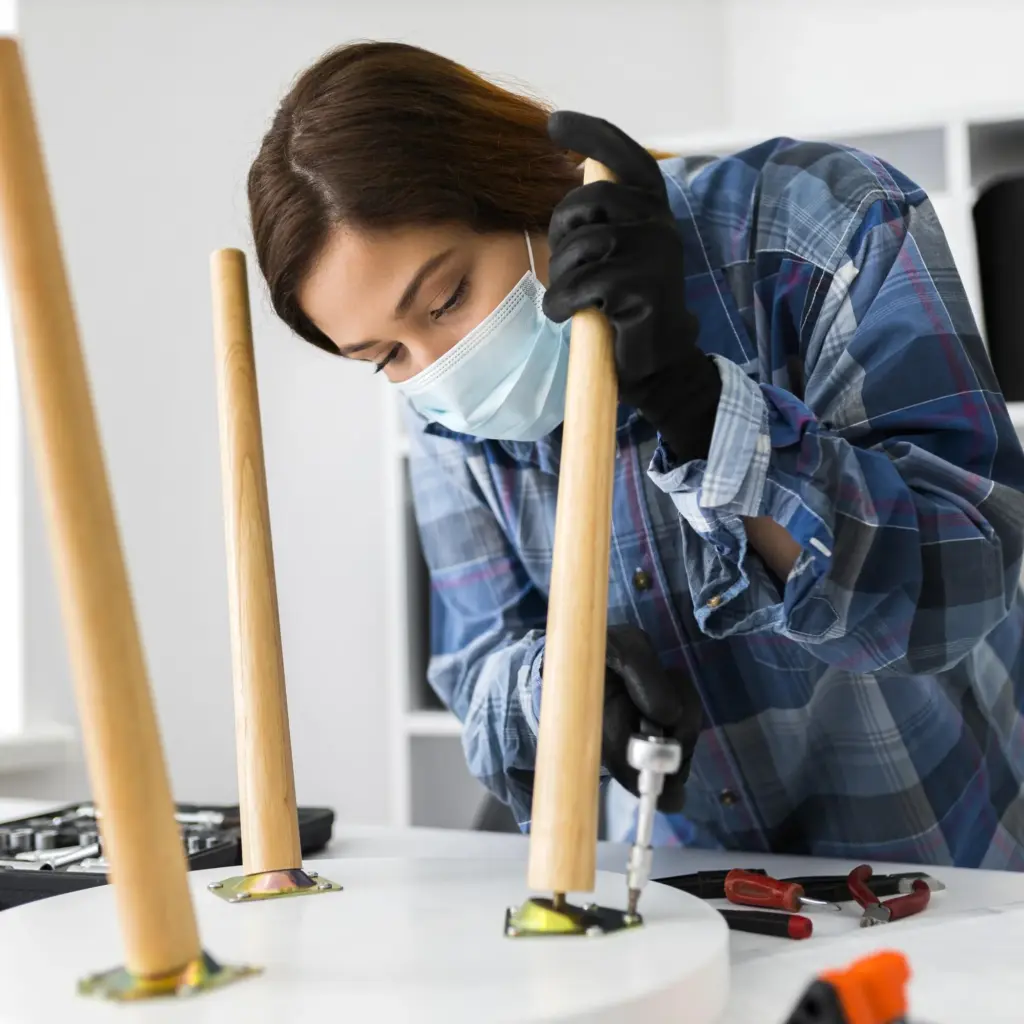
Some wins are refreshingly simple. Tighten a loose leg with a new screw and wood filler, reglue a joint with proper clamping, patch a small tear, or buff scratches into a gentle sheen. These skills build fast. Which rapid fix surprised you most and sparked the confidence to return next month with bolder plans?

The wobble cure: joints and glue

Disassemble gently, label parts, and clean old adhesive with patience. Dry-fit before gluing. Apply an even film, clamp across the joint without crushing fibers, and wipe squeeze-out. Share how long you let joints rest, and what trick helped you align parts squarely when enthusiasm wanted to rush the satisfying reveal.

Surfaces that shine again

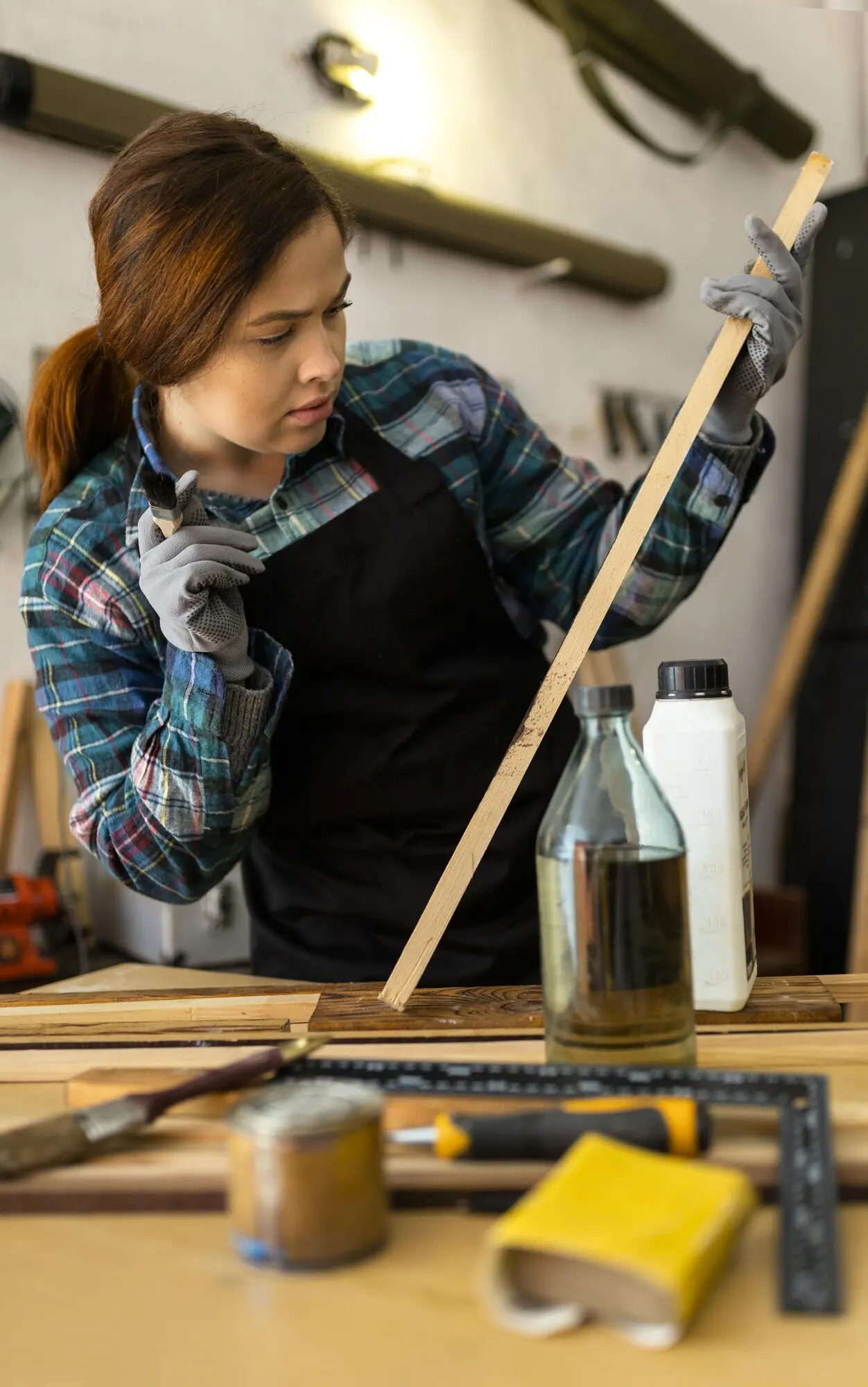
Light sanding lifts scratches; a careful application of shellac, wax, or oil revives tired grain without erasing history. Test in a hidden spot, respect the patina, and move with the grain. Which finish rescued your tabletop, and what cloth, pad, or brush technique helped you avoid streaks under late-afternoon workshop lighting?

Community Tales That Keep Wood Warm

Repair tables become storytelling circles. An heirloom leaves safer than it arrived, and its caretaker leaves braver than they came. Kids watch patient hands and ask honest questions that experts happily answer. Add your own short story below so someone miles away feels that welcome and tries a thoughtful repair this weekend.

The Circular Economy, Lived on a Saturday

Every chair saved conserves materials, energy, and stories. Since 2009, community repair gatherings have spread from one eager city to thousands worldwide, proving reuse feels practical and joyful. Keeping furniture in service reduces waste and purchasing pressure. Tell us how your group tracks wins and turns small tallies into motivation for future sessions.

How to Start or Support One Near You

Begin with allies: librarians, faith groups, makers, carpenters, and enthusiastic neighbors who love hospitality. Find an accessible space, clarify guidelines, and borrow resources from established networks. Keep insurance practical, volunteer roles clear, and coffee abundant. In the comments, volunteer a skill, offer a venue, or ask for a starter checklist tailored to your town.
List potential hosts, from community centers to school cafeterias, and schedule a friendly interest night. Map tables, outlets, and storage. Ask attendees what furniture problems they bring most. Share the partnership or venue that made your meetup possible, and what small agreement—like key access or cleanup duties—proved surprisingly important long-term.
Draft a simple welcome, a mutual-respect note, and a clear repair-with-you approach, so guests learn and feel safe. Keep forms short. Consider a lightweight waiver and an uptime plan for key tools. Which policies supported kindness while protecting volunteers, and how did you invite feedback to keep the culture warm and open?

Keep Learning: From Wood Joinery to Upholstery Basics

{{SECTION_SUBTITLE}}

Joinery you can trust for decades

Explore mortise-and-tenon, dowels, pocket screws, and when each shines. Practice clamping strategies that avoid twisting frames. Test joints under gentle load and listen for creaks. Which joint type restored your chair most reliably, and what measuring or marking habit kept everything aligned when excitement threatened to outrun careful preparation and square corners?

Upholstery confidence, one staple at a time

Learn to remove fabric cleanly, trace patterns, and cut fresh foam without ragged edges. Practice corner folds, tack strips, and staple spacing that looks intentional. Share the seat you transformed, and the playlist, mentor, or trick that helped you stay patient while balancing tight fabric with comfortable, forgiving lines.
Zuzetavukihumikezazira
Privacy Overview

This website uses cookies so that we can provide you with the best user experience possible. Cookie information is stored in your browser and performs functions such as recognising you when you return to our website and helping our team to understand which sections of the website you find most interesting and useful.