Heirlooms Renewed, Stories Remembered
Choosing Safer Materials
Reach for plant-based finishes, water-borne coatings, and archival adhesives that respect both the object and the air you breathe. Dewaxed shellac, linseed oil, milk paint, hide and fish glues, wheat starch paste, and VOC-conscious solvents provide strong, forgiving bonds. Always check safety data, wear proper protection, ensure ventilation, and test compatibilities, prioritizing materials proven stable, readily reversible, and responsibly sourced.
Cleaning Without Harm
Begin with the least invasive approach: soft goat-hair brushes, microfiber cloths, and a low-suction HEPA vacuum through a screen to lift dust without abrasion. Progress, only if needed, to pH-neutral soaps, deionized water swabs, and spot testing for colorfastness. For metals, avoid harsh polishes; for wood, rely on gentle soap flakes and ethanol-cut shellac repairs, always balancing cleanliness with respect for cherished patina and age.
Finishes That Breathe
Favor finishes that cure naturally and allow wood to exchange moisture safely over time. Thin coats of hardwax oil, beeswax with a touch of carnauba, or carefully padded shellac create protective, low-sheen surfaces that invite touch and maintenance. Bypass heavy, inflexible films like thick polyurethane when possible, preserving a future path for conservation and reducing environmental impact across the object’s long, evolving life.
Detective Work on Wood and Metal
Textiles Tell Secrets
Interview Guides That Open Hearts
Digitizing and Archiving for Future Hands
Tagging Objects With Living Context
Stories to Keep the Craft Alive
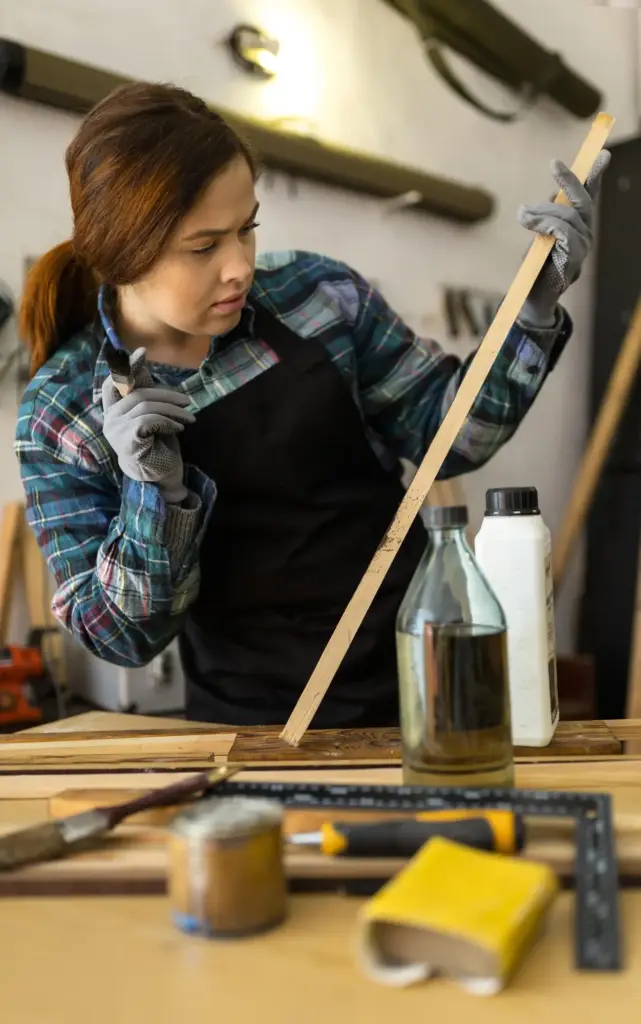
The Cedar Hope Chest, Quietly Breathing Again
A 1918 hope chest smelled musty, its finish dulled and lid label handwritten by a great-aunt. After airing with charcoal sachets, we dry-cleaned with brushes, stabilized loose veneer using warm hide glue, and refreshed the surface with thin, padded shellac. Inside, handmade dividers were lined with unbuffered acid-free paper. Cedar blocks in muslin deter moths. The date and story stayed intact, the chest ready for quilts again.
Porcelain Mended With Golden Honesty
A wartime wedding teacup, long chipped, found new dignity with a kintsugi-inspired repair using natural urushi lacquer and powdered brass. We documented fragments, sealed hairlines, and cured in a humid box, respecting sensitivities to lacquer sap. The visible seam honored hardship and reunion, transforming damage into a bright tribute. Family tea resumed gently, with a tray note explaining care, story, and the value of transparent mending.
Grandfather’s Workbench to Kitchen Table
Deep plane tracks, oil stains, and hand-sawn edges told a lifetime of making. Rather than plane flat, we cleaned mechanically, tested for lead on old paint flecks, and used a soy-based, low-VOC stripper only where necessary. Breadboard ends stabilized movement; reclaimed maple battens added strength. A breathable hardwax oil finish protected the surface. Every nick survived, now set for soups, homework, and quiet evening card games.

Environment, Light, and Movement
Target 45–55 percent relative humidity and cool, steady temperatures. Soften daylight with UV-filter films and curtains, and keep objects away from radiators and exterior walls. Use felt pads, secure shelves, and quake putty for gentle stabilization. Build microclimates for sensitive materials with silica gel and seals. Document placements, tweak seasonally, and remember that slow, predictable change is the friend of finish, fiber, and joinery.
Pest-Safe Practices
Adopt integrated pest management: monitor with sticky traps, seal food sources, clean quietly and regularly, and isolate arrivals before they mingle. For textiles, consider freezing at minus eighteen Celsius for two days to disrupt moth life cycles. Use lavender or cedar sachets as gentle deterrents, avoiding direct contact with fibers. Track sightings, date every intervention, and prefer non-toxic barriers over sprays that can outlast their usefulness.
Safe Handling and Display
Train every helper. Lift with two hands, support weak joints, and wear nitrile gloves for polished surfaces while accepting clean hands for grippy wood. Build inert mounts from acrylic, stainless steel, or Ethafoam, and rotate sensitive textiles off display to rest. Keep pathways clear, add bumpers where doors swing, and post friendly labels that encourage touch with permission, not fear, preserving both access and dignity.